
If you are worried about wasting money on a wood chipper, you are not alone. Many buyers face confusion about whether a higher price tag really means better results.
Expensive industrial wood chippers often deliver superior performance, durability, and lower lifetime costs, but not every operation needs the highest-priced model. Matching machine features to your needs is key.
I have seen many buyers struggle to decide if investing in a premium wood chipper is worth it. The right choice depends on your business goals and daily use. Let’s break down the facts and help you avoid costly mistakes. 🔗
Industrial Wood Chipper Investment: Is a Higher Price Tag Always Worth It for Superior Performance and Long-Term ROI?
Choosing the right wood chipper can feel overwhelming. Price is an easy starting point, but what really matters for business owners is performance and return on investment.
A higher-priced industrial wood chipper often means greater engine power, better build quality, and more advanced features. These factors drive faster throughput, longer life, and lower maintenance costs.
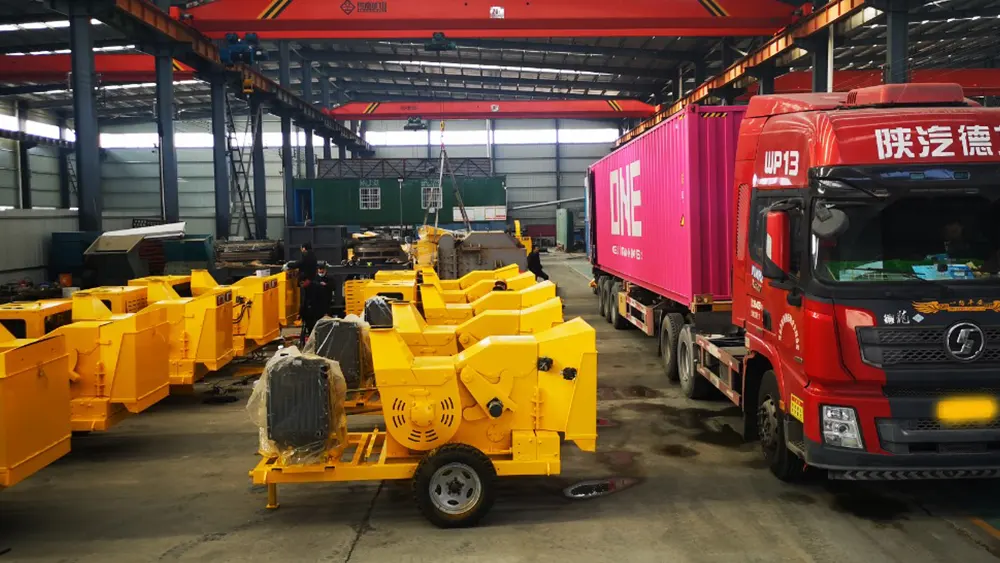
Key Factors Influencing Industrial Wood Chipper Cost
| Factor | Impact on Cost | How It Affects Performance |
|---|---|---|
| Engine Power & Capacity | Higher HP costs more | Processes bigger logs, faster throughput |
| Material Quality | Premium steel, robust frame | Longer life, less wear, higher safety |
| Advanced Features | Remote control, smart diagnostics | Less downtime, easier operation |
| Brand & Support | Strong warranty, easy parts | Better service, lower risk |
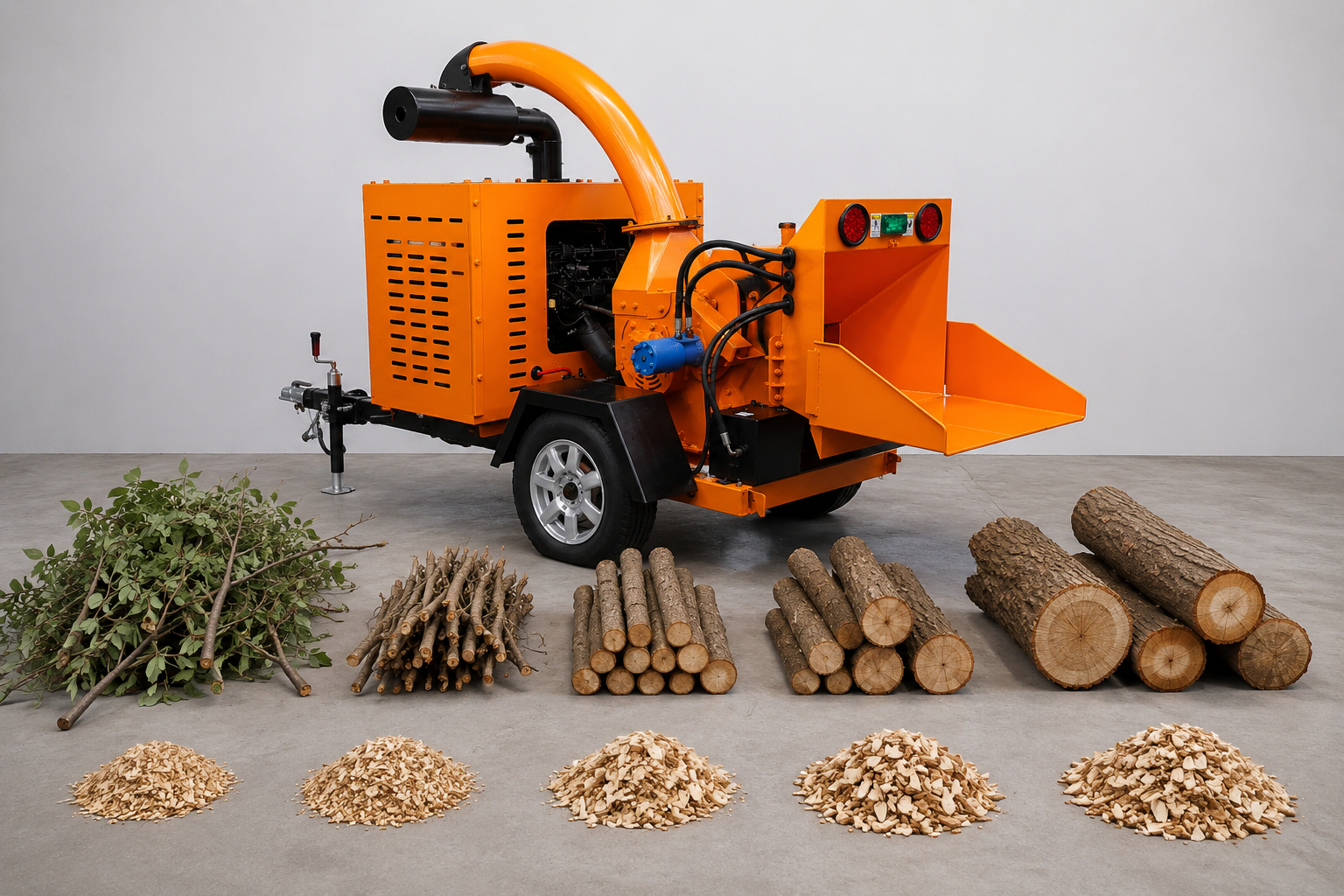
When I speak with forestry clients, they often ask about the difference between budget and premium models. I always recommend matching machine specs to job needs. For example, if you need to process large-diameter logs or mixed urban waste, look for a chipper with advanced feed systems and a high-torque engine. For smaller projects, a budget-friendly model may do the job just fine. 🔗 🔗
Beyond the Price Tag: Unpacking the True Value of Durable Industrial Wood Chippers for Sustained Operational Efficiency?
Spending more upfront can feel risky. But durable machines pay off in ways that go far beyond the invoice price.
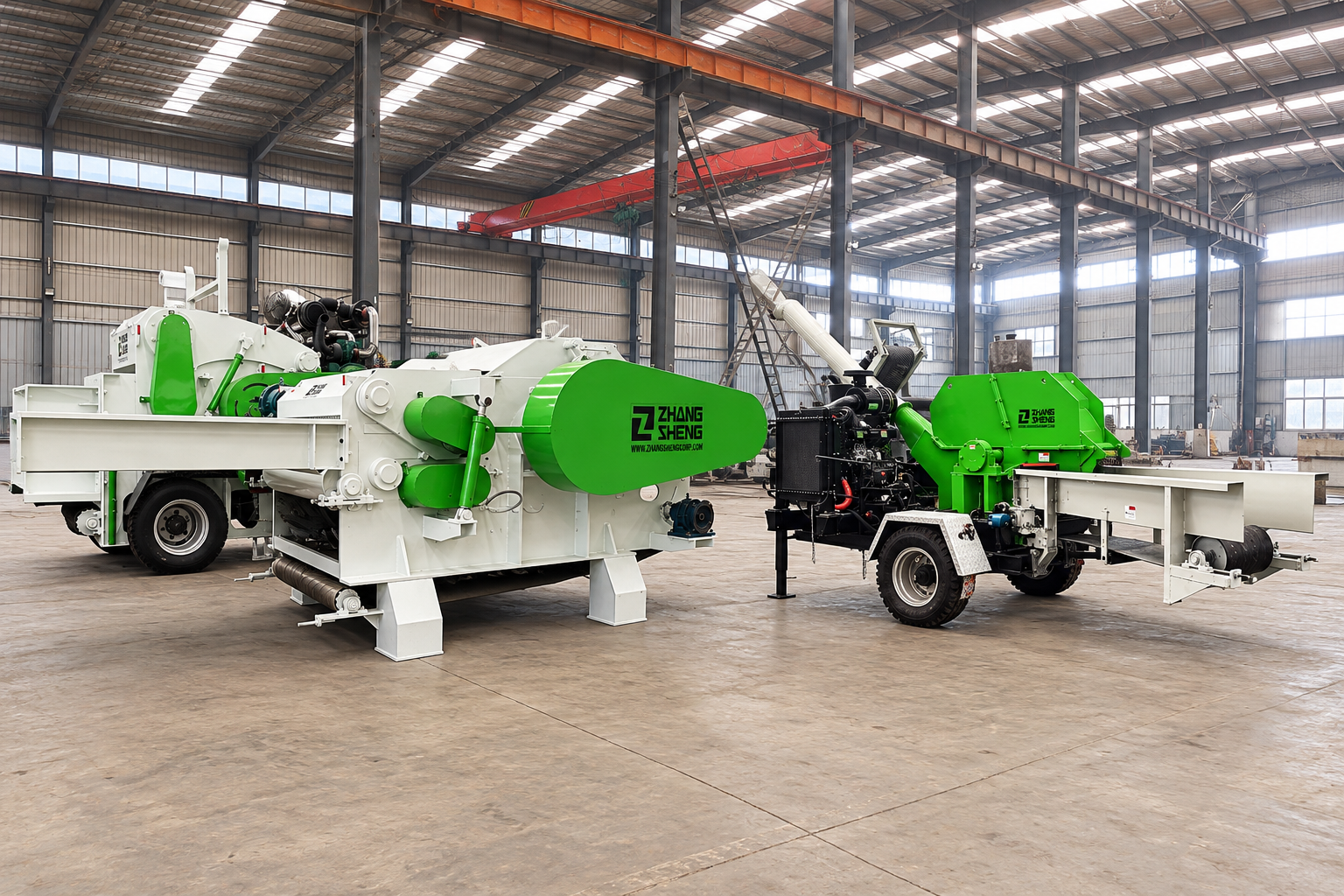
Premium wood chippers built with high-grade steel, reinforced frames, and proven sub-components consistently deliver higher uptime, lower maintenance costs, and longer service life.
The Pillars of Industrial Wood Chipper Durability
| Durability Pillar | Benefit | Real-World Impact |
|---|---|---|
| High-Grade Materials | Resists wear, withstands heavy use | Less downtime, safer operation |
| Robust Engineering | Strong welds, reinforced chassis | Machine lasts longer, handles stress |
| Quality Sub-Components | Trusted engines, hydraulics | Fewer breakdowns, easy service |
From my experience, customers who choose durable machines like those with Caterpillar or Perkins engines see years of reliable service. They avoid frequent breakdowns and costly repairs. A chipper with a heat-treated rotor and heavy-duty knives keeps output consistent. This means less waste and better chip quality for biomass or pulp. Investing in durability pays off in predictable production and stronger profits. 🔗 🔗

Optimizing Chip Production: Do Premium Industrial Wood Chippers Deliver Quantifiably Better Results for Commercial Operations?
If your business relies on chip output, getting the best possible results matters more than the initial price tag.
Premium industrial wood chippers typically deliver higher throughput, more uniform chip quality, better fuel efficiency, and safer, easier operation.
Key Performance Indicators (KPIs) for Industrial Wood Chippers
| KPI | Premium Chippers | Budget Chippers |
|---|---|---|
| Throughput Capacity | High (tons/hour) | Lower |
| Chip Uniformity | Consistent size, minimal fines | Variable, more waste |
| Fuel Efficiency | Optimized, smart controls | Basic, higher costs |
| Uptime/Reliability | Long intervals between service | More frequent downtime |
| Safety/Ease of Use | Automated, ergonomic | Manual, basic controls |
I have watched operations transform after upgrading to machines with intelligent feed systems and smart diagnostics. These features help avoid blockages, reduce labor, and keep chip quality tight for biomass contracts. Advanced engine management reduces fuel use per ton. Telematics alert operators before failures happen. This keeps production moving, lowers costs, and boosts revenue. For companies with strict specs, premium models can be a game-changer. 🔗
Total Cost of Ownership (TCO) for Industrial Wood Chippers: A Strategic Guide for B2B Investment Decisions?
It’s easy to focus on the sticker price, but smart buyers look at every cost over a machine’s life.
Total Cost of Ownership (TCO) includes upfront cost, operating expenses, maintenance, downtime, financing, insurance, and resale value. Lower TCO means more profit over time.
Components of Total Cost of Ownership
| Cost Component | Description | How to Minimize |
|---|---|---|
| Initial Price | Purchase, delivery, install | Negotiate, buy only what you need |
| Operating Costs | Fuel, wear parts, labor | Choose fuel-efficient models, optimize staff |
| Maintenance & Repair | Scheduled and unscheduled fixes | Preventative schedules, quality parts |
| Downtime | Lost revenue, penalties | Pick reliable machines, train operators |
| Resale Value | End-of-life worth | Maintain well, choose reputable brands |
For example, I have helped buyers use TCO analysis to justify spending more upfront on a model with smart telematics and an efficient engine. Over five years, the savings in fuel, repairs, and downtime far outweighed the initial price difference. The machine held its value, making resale easier. Using TCO helps B2B buyers plan for long-term profits, not just quick savings. 🔗 🔗
Conclusion
Choosing a more expensive wood chipper can lead to better results and lower lifetime costs if matched to your operational needs and long-term goals.