Step-by-Step Guide for Forestry and Biomass Companies?
Chipper jams can halt production, threaten safety, and raise costs. Discover how to clear jams quickly and safely to keep your business running smoothly.
To safely unjam an industrial wood chipper, always shut down power, use proper safety gear, clear debris methodically, inspect cutting components, and follow lockout/tagout protocols before restarting. This protects workers and avoids equipment damage.
When a wood chipper jams, productivity stops. That leads to delays and risks for your team. If you want to clear a jam safely and restore operations fast, you need a methodical approach. I learned that following each step and involving your team makes a big difference. Let’s walk through the process together. For more expert tips, click the corner mark or visit Wikipedia for background.
What Safety Precautions Should You Take Before Unjamming a Wood Chipper?
Unexpected jams can cause accidents or injuries. Taking precautions is the first step to protecting your crew and yourself.
Always engage lockout/tagout procedures to cut off all power sources. Wear personal protective equipment (PPE), and communicate clearly with your team before approaching the machine. Safety must come first.
Safety Steps Table
| Step | Action | Why It Matters |
|---|---|---|
| 1 | Lockout/Tagout Power | Prevents accidental start-up, reducing injury risk |
| 2 | Wear PPE | Protects eyes, hands, and body from debris or sharp components |
| 3 | Team Communication | Ensures everyone knows the machine’s status and location |
| 4 | Review Procedures | Keeps actions organized, avoids confusion |
When I train new operators, I always stress these basics. A minute spent on safety saves hours of downtime and prevents injuries. Learn more safety tips at this forestry forum corner mark or check our safety guides at TIROX Blog.
What Causes Industrial Wood Chipper Jams and How Can You Identify Them?
Jams usually happen when something unexpected enters the chipper or equipment wear goes unnoticed. Knowing the causes helps you prevent future problems.
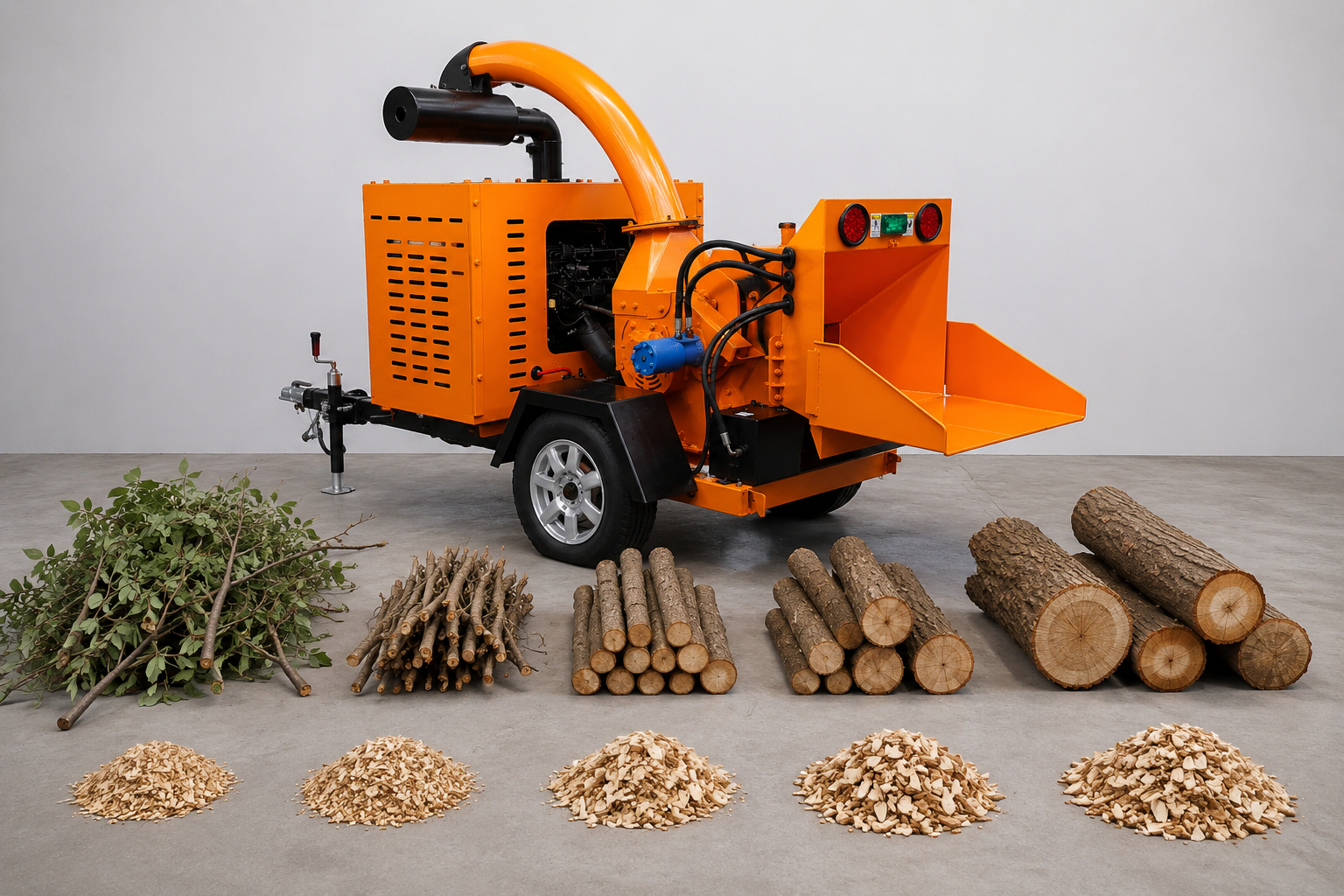
Industrial wood chipper jams are commonly caused by oversize logs, wet or tangled feedstock, metal contaminants, or improper feed rates. Frequent inspection and smart feed systems can detect these issues early.
Common Jam Causes Table
| Cause | Symptoms | Prevention Tips |
|---|---|---|
| Oversized Logs | Machine stops, loud noises, blockage at infeed | Pre-measure logs, use hydraulic feed adjustment |
| Metal Contaminants | Sparks, blade damage, sudden shutdown | Pre-screen materials, train staff to spot hazards |
| Wet Wood or Tangled Branches | Slower throughput, uneven feed | Monitor material moisture, untangle feedstock |
| Dull Blades | Poor chipping quality, increased clogging | Routine blade inspection and sharpening |
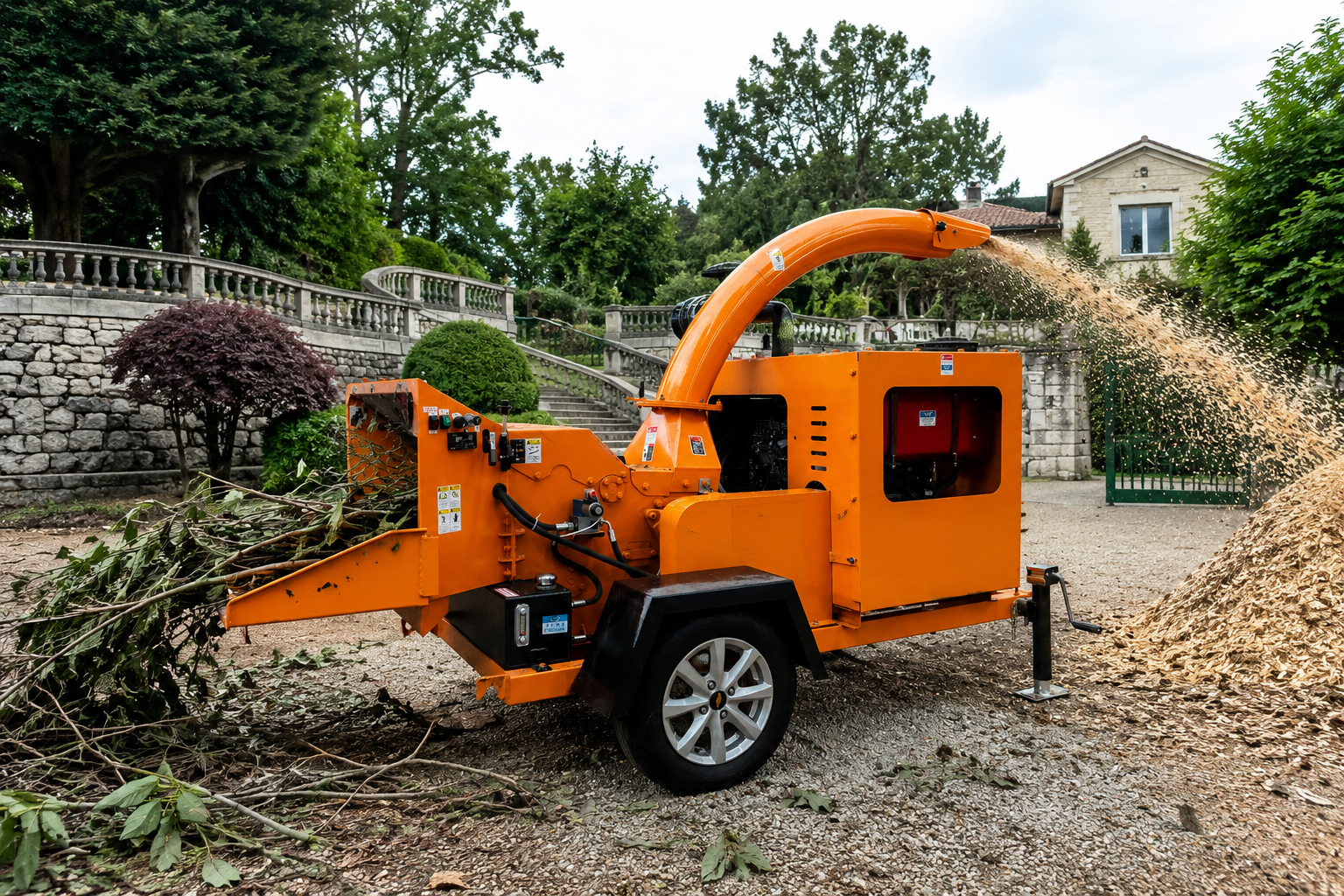
I always recommend using smart feed systems. For example, our hydraulic wood chipper adjusts speed for different log sizes. You can read more about these systems at our corner mark and get extra insights from forestry forums.
How Do You Unjam a Wood Chipper Step by Step?
A jammed chipper needs a careful, stepwise approach to avoid damage and restore operation. Skipping steps can lead to bigger problems.
Shut down and lock out power, inspect and clear the infeed area, remove stuck material, check knives and anvil, inspect the discharge chute, and finally restart the system after a full inspection.
Step-by-Step Unjamming Process Table
| Step | Action | Details |
|---|---|---|
| 1 | Shutdown & Lockout | Turn off all power switches, engage lockout/tagout |
| 2 | Inspect Infeed | Look for visible blockages; use a flashlight if needed |
| 3 | Remove Debris | Use tools to pull out jammed wood; avoid hands near blades |
| 4 | Check Knives and Anvil | Inspect for wear or damage; replace if necessary |
| 5 | Verify Discharge Chute | Clear any clogs at the output; check for bent metal |
| 6 | Restart System | Remove lockout, power up slowly, monitor for unusual sounds |
I found that using an intuitive control panel simplifies these steps. Our smart control panels show oil level, water temp, and running hours. This helps catch problems early. See our product features at this corner mark or browse our blog for detailed guides. You can also check real user solutions on ArboristSite.
What Maintenance Should You Do After Unjamming to Prevent Future Problems?
Jams often signal underlying wear or missed maintenance. A post-unjam inspection keeps your chipper reliable.
After unjamming, inspect blades for dullness, lubricate moving parts, calibrate sensors, and run diagnostics to spot hidden issues. Keep a log of maintenance to track recurring problems and improvements.
Maintenance Checklist Table
| Task | Frequency | Purpose |
|---|---|---|
| Blade Inspection | After every jam/monthly | Ensures cutting efficiency, reduces next jam risk |
| Belt Tensioning | Weekly | Prevents slippage and uneven feed |
| Lubrication | Weekly | Reduces friction and component wear |
| Sensor Calibration | Monthly | Maintains smart feed and jam prevention |
| Diagnostic Run | After issues | Finds hidden mechanical or electronic faults |
| Maintenance Log | Every event | Tracks recurring problems; aids warranty claims |
In my experience, strict recordkeeping makes troubleshooting easier. Our smart systems help with reminders and diagnostics. For more maintenance tips, jump to our corner mark.
Conclusion
Following safe procedures, knowing the causes, and maintaining your chipper will keep your forestry or biomass operation running smoothly and safely.