
Have you ever wondered how modern wood processing has evolved with technology? Industrial wood chippers with mechanical in-feed systems are game-changers.
Industrial wood chippers equipped with mechanical in-feed systems streamline the wood processing workflow, enhancing both safety and efficiency significantly.
Transitioning from manual to mechanical feeding in wood chippers has transformed the wood processing industry. Let’s delve deeper into how these systems work and their benefits.
Understanding Mechanical In-Feed Systems?
Curious about how mechanical in-feed systems enhance wood chipper performance? These systems automate the feeding process.
Mechanical in-feed systems automate the wood feeding process in chippers, ensuring consistent, efficient, and safe operations.
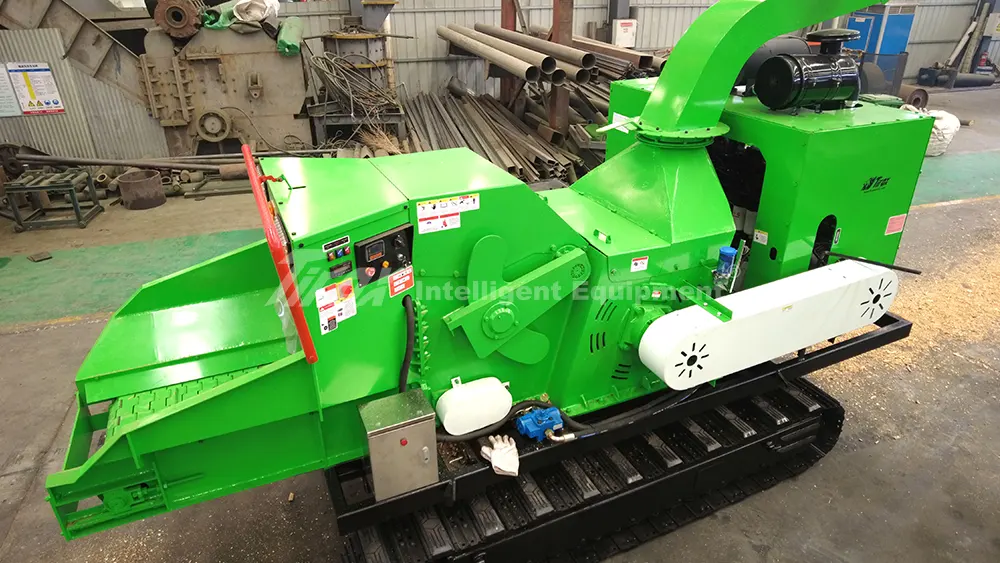
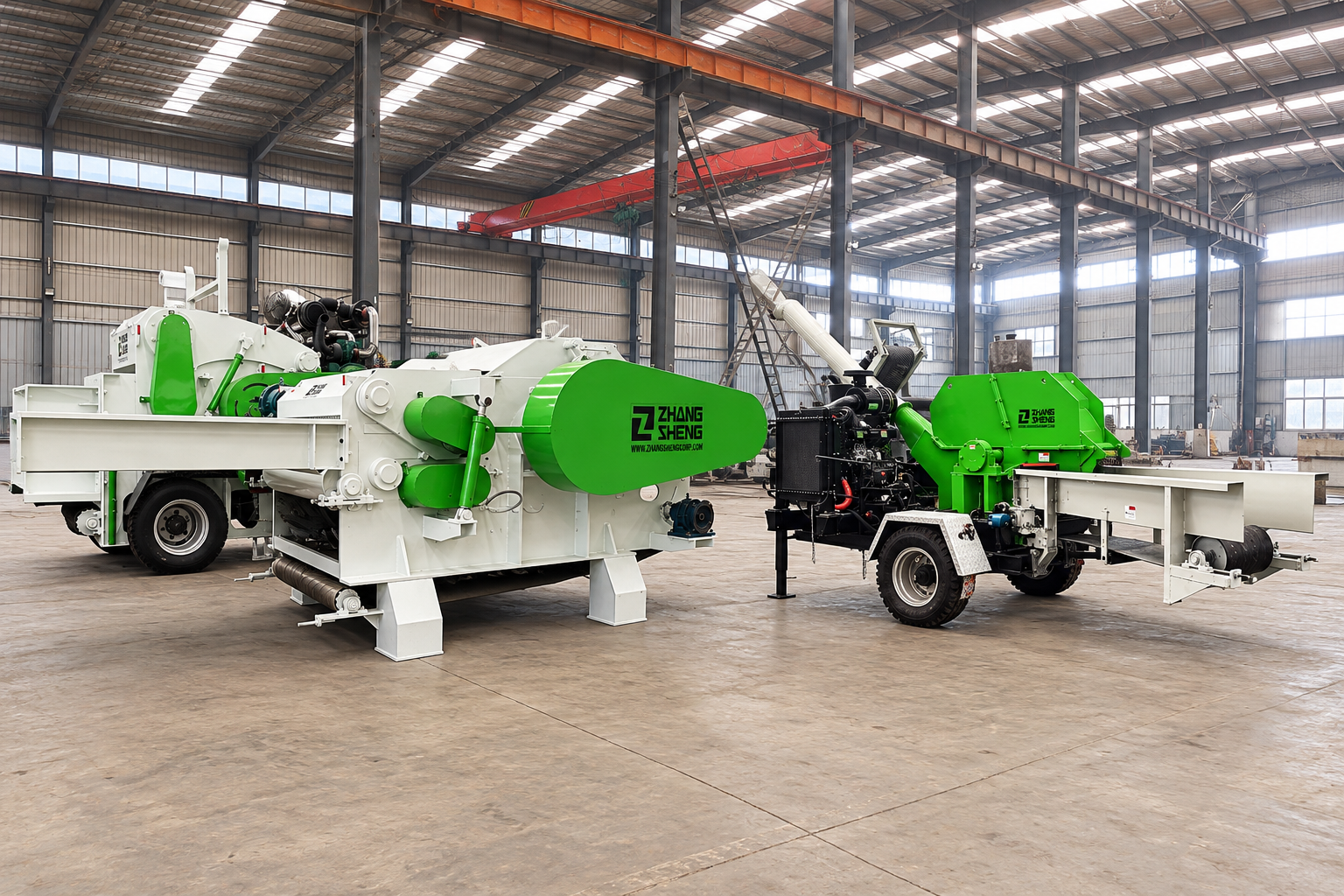
Traditionally, wood chippers relied on manual feeding, which posed safety risks and inefficiencies. Mechanical in-feed systems, however, use conveyors or rollers to automatically and continuously feed wood into the chipper. This not only speeds up the process but also minimizes the risk of accidents, as operators don’t need to be near the chipper’s intake. Moreover, these systems are designed to handle varying sizes and types of wood, adjusting the feed rate as necessary to optimize the chipper’s performance.
Benefits of Mechanical In-Feed Systems?
Why are mechanical in-feed systems considered a superior option in industrial wood chipping?
Integrating a mechanical in-feed system into wood chipping operations optimizes efficiency, enhances safety, and reduces maintenance needs.
Firstly, safety is significantly enhanced as the system minimizes human interaction with the chipper during operation. Secondly, these systems provide a consistent feed rate, which optimizes the chipper’s efficiency and reduces the likelihood of jams and other operational interruptions. This consistent feeding not only maximizes output but also prolongs the lifespan of the blades and reduces maintenance downtime. Additionally, by automating the feeding process, companies can allocate labor resources more effectively, potentially reducing labor costs.
Case Studies?
Wondering how mechanical in-feed systems have impacted real-world operations?
Several forestry companies and biomass energy producers have reported significant improvements in productivity and safety due to the adoption of wood chippers with mechanical in-feed systems.
For instance, a major forestry company in North America switched to wood chippers with mechanical in-feed systems and saw a 30% increase in wood processing efficiency. The company also reported a 50% reduction in workplace accidents. Another example is a biomass energy company in Europe that adopted these systems and was able to increase its production capacity while decreasing manpower costs by 20%. These case studies illustrate the tangible benefits of mechanical in-feed systems in industrial wood chipping operations, making them a worthy investment for businesses looking to enhance efficiency and safety.
Choosing the Right System?
How do you select the ideal wood chipper with a mechanical in-feed system for your industrial needs?
Choosing the right wood chipper with a mechanical in-feed system involves considering factors like the type of wood, volume of wood processing, and specific operational needs.
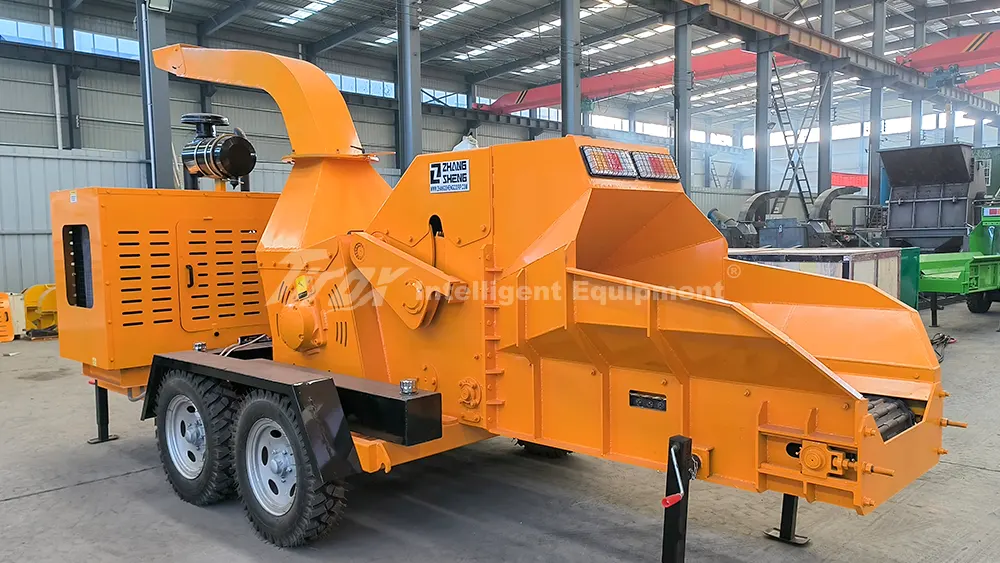
When selecting a wood chipper, it’s crucial to consider the type and size of wood that will be processed. Different systems are optimized for different wood sizes and types. Additionally, the volume of wood to be processed should influence the choice of chipper size and power. It’s also important to consider the operational environment – whether the chipper needs to be mobile or stationary, and the level of automation required. Lastly, businesses should look for systems that offer ease of maintenance and good after-sales support to ensure long-term reliability and efficiency.
Conclusion
Industrial wood chippers with mechanical in-feed systems offer remarkable advantages in safety, efficiency, and operational cost savings.