
Noise levels in industrial machinery, especially wood chippers, are critical for operational efficiency and compliance with safety standards.
Industrial wood chippers typically operate within a decibel range of 85 to 115 dB. Factors like machine design and operational settings influence these levels.
High noise levels can be a health hazard, making it essential to understand and control the decibel output of wood chippers used in industrial settings.

How do Noise Standards Impact Wood Chipper Operations?
Noise regulations ensure worker safety and community peace. How do they affect wood chipper use?
Strict adherence to noise standards is essential for legal compliance and preventing hearing loss, necessitating equipment that meets these criteria.
Understanding local and international noise regulations can help businesses choose wood chippers that align with legal standards, thus avoiding fines and enhancing worker protection.
What are the Typical Decibel Levels for Industrial Wood Chippers?
Knowing the decibel levels helps in selecting the right equipment. What are the typical ranges?
Industrial wood chippers vary in noise levels; smaller models often operate at lower decibels compared to larger, more powerful ones.
Decibel levels can significantly impact worker comfort and safety. Employers must consider these levels when purchasing equipment to ensure a safe working environment.
How do Different Models and Sizes of Wood Chippers Compare in Noise Levels?
Comparing noise levels among various wood chippers can guide purchases. How do they vary?
Larger wood chippers generally produce more noise due to their powerful engines and greater capacity, while smaller models are quieter.
Choosing the right wood chipper model involves balancing power needs with acceptable noise levels, ensuring operational efficiency without compromising health and safety.
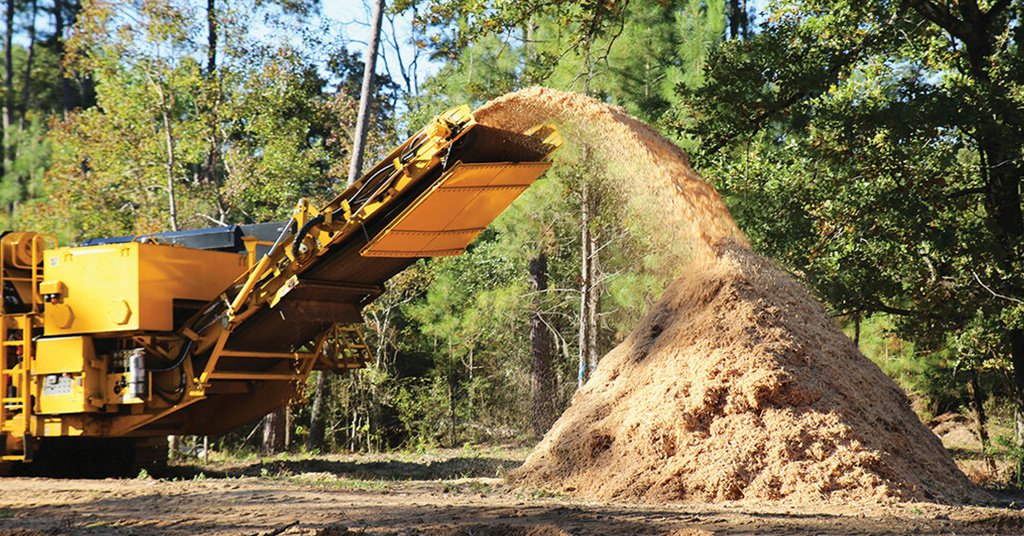
How does Noise Affect Operator Comfort and Safety in Industrial Environments?
Noise is more than just a nuisance in industrial settings—it directly impacts operator health. What are the effects?
Extended exposure to high decibel levels can lead to hearing impairment, stress, and reduced productivity, highlighting the need for effective noise management strategies.
Implementing noise reduction techniques, providing personal protective equipment, and selecting lower-decibel machinery can help mitigate the adverse effects of noise on operators.
Conclusion
Summarizing, understanding and managing noise levels in wood chippers is crucial for safety, health, and compliance with regulations.