
Ever wondered how massive logs are broken down efficiently? Industrial wood chippers are the answer.
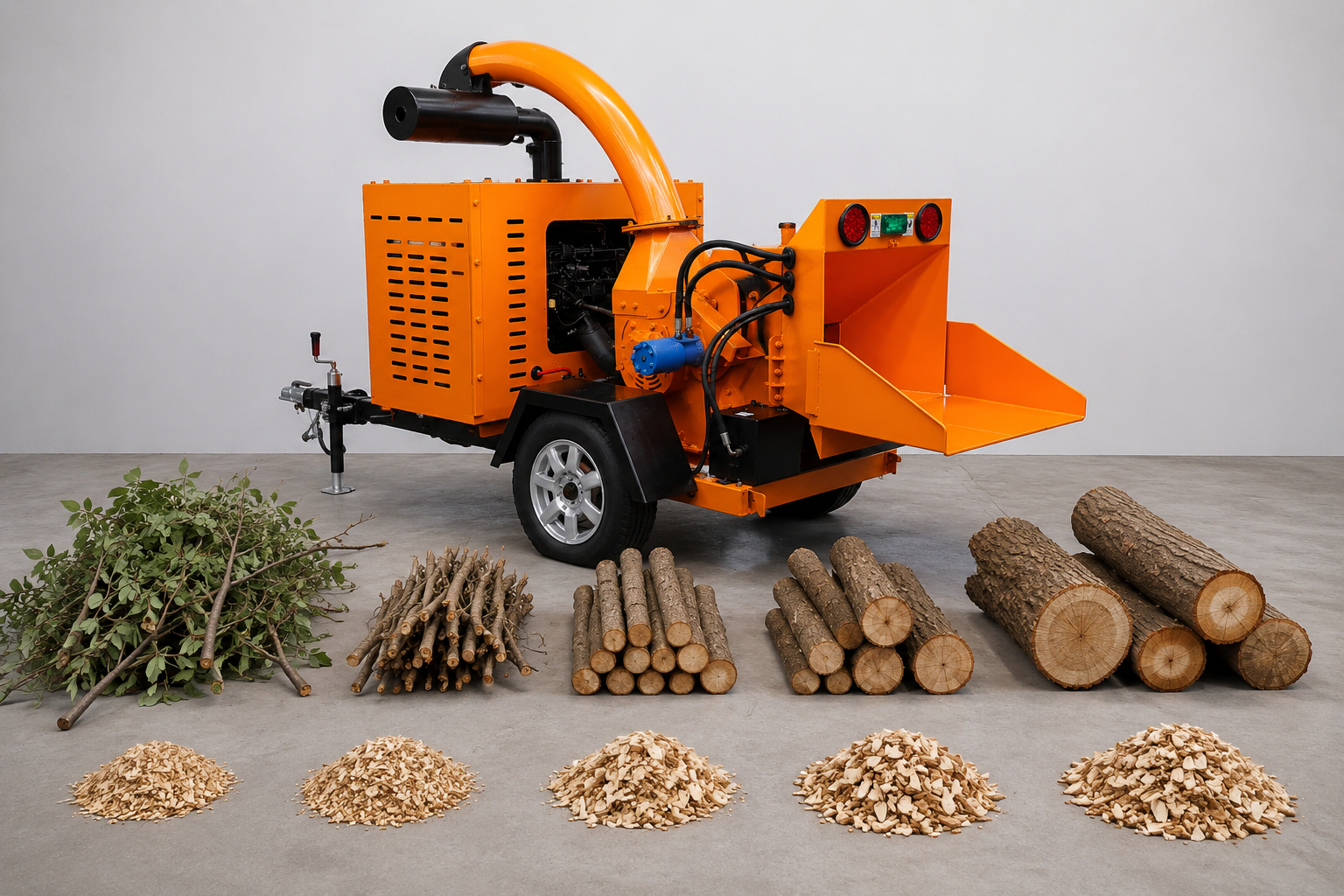
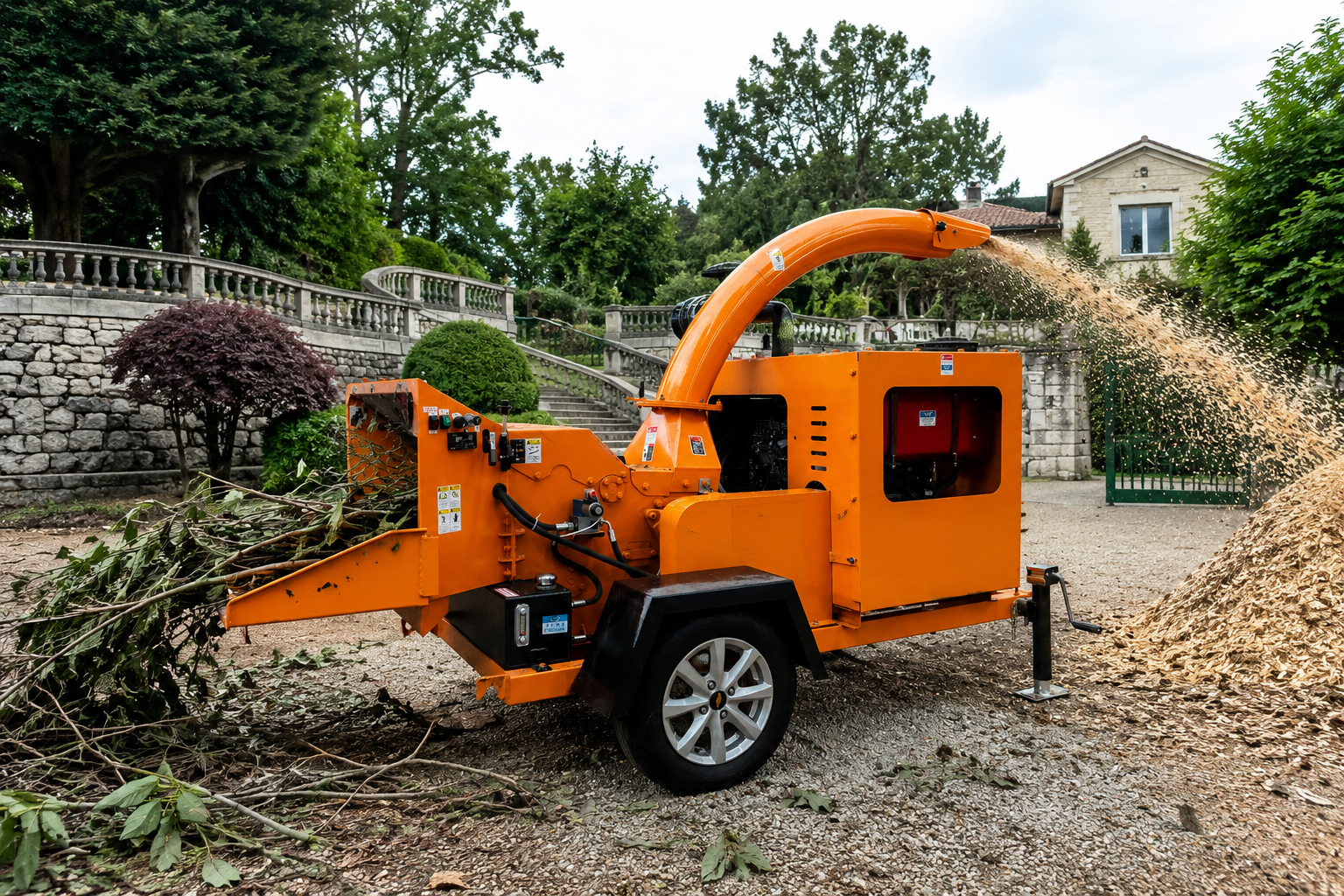
Wood chippers are powerful machines used to reduce wood into smaller chips or mulch. They are essential in forestry management for clearing land and processing waste wood efficiently.
Understanding the role and functionality of industrial wood chippers in forestry management is pivotal for optimizing operations.
What Types of Wood Chippers Are Available and How Do They Differ?
Choosing the right wood chipper can make a significant difference in operational efficiency.
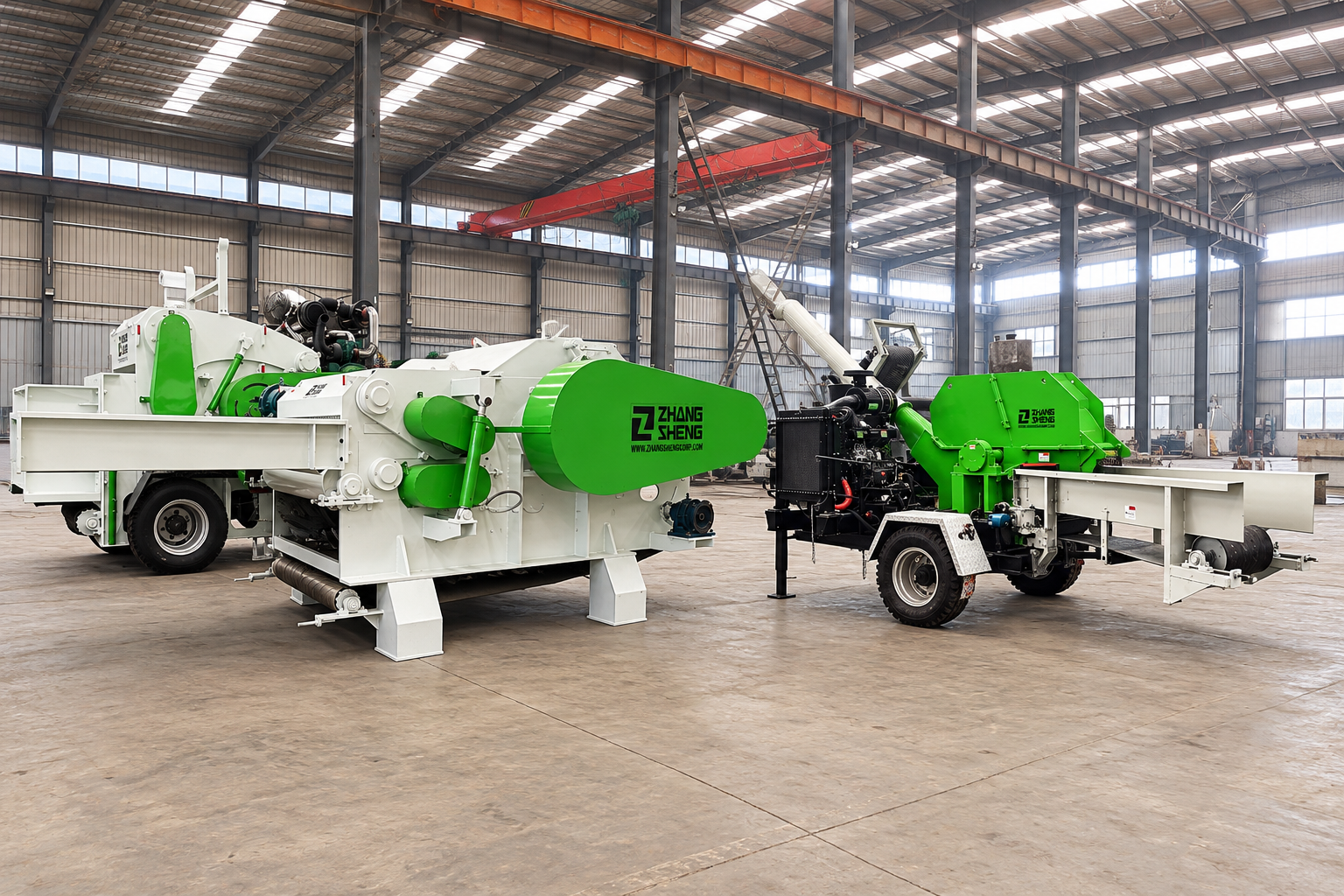
There are three primary types of wood chippers: drum chippers, disk chippers, and screw chippers, each suited for different types of wood and operational needs.
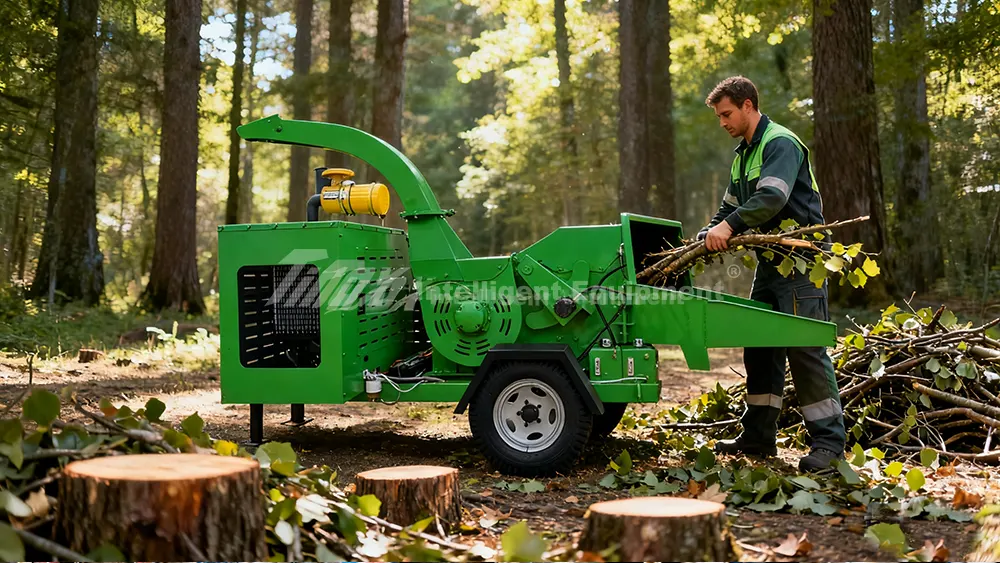
Drum chippers contain a parallel-sided drum with knives that chip wood as it’s fed through. Disk chippers use a steel disk with blades mounted at an angle, ideal for creating uniform chips. Screw chippers, less common, utilize a screw-like mechanism to crush and cut wood. Selecting the correct type depends on the wood’s hardness, moisture content, and the desired chip size. Learn more.
Why Are Wood Chippers Integral to Forestry Management?
The environmental and operational benefits of wood chippers in forestry are substantial.
Industrial wood chippers streamline the process of clearing land, managing waste, and recycling wood, making them indispensable in forestry management.
Using wood chippers helps in reducing the volume of waste, making transportation and disposal more manageable. Moreover, chipped wood can be repurposed as mulch or biofuel, contributing to a sustainable environmental cycle. Efficient management of wood waste not only saves costs but also significantly impacts ecological conservation efforts. Read more.
Maximizing Profit and Sustainability: The Economic Benefits of Industrial Wood Chippers?
Looking to boost profitability in forestry operations? Consider the economic impact of wood chippers.
Wood chippers not only offer a practical solution for waste management but also turn wood waste into profitable by-products, such as mulch and biofuel.
Investing in a high-quality wood chipper can lead to considerable cost savings by reducing waste disposal fees and generating income through the sale of by-products. This equipment is a cornerstone for businesses aiming to enhance profitability while adhering to sustainable practices. Explore how.
How Do Wood Chippers Contribute to Recycling and Creating Profitable Products?
Transforming wood waste into valuable products is a key capability of wood chippers.
By efficiently breaking down wood and other organic materials, wood chippers play a crucial role in the recycling process, contributing to environmental sustainability and economic gains.
Wood chips produced by chippers can be used in various applications such as creating mulch for landscaping, manufacturing particleboard, or as a biomass source for generating energy. This not only helps in waste reduction but also opens up new revenue streams for businesses involved in forestry and landscaping. Effective recycling practices lead to a healthier environment and provide economic incentives for businesses to invest in wood chipping technology. Discover products.
Operational Best Practices for Industrial Wood Chippers?
Want to ensure longevity and safety while operating wood chippers? Follow these best practices.
Adhering to safety protocols and proper maintenance routines is essential for the safe and efficient operation of wood chippers.
Regular maintenance, including blade sharpening and replacement, ensures that wood chippers operate at peak efficiency. Training operators in safety protocols minimizes the risk of accidents, protecting both personnel and machinery. Understanding the machine’s capabilities and limitations also helps in preventing operational issues and prolongs the equipment’s lifespan. Read our safety guide.
What Safety Protocols and Maintenance Should Be Followed?
Ensuring operator safety and machine efficiency requires strict adherence to established protocols.
Implementing comprehensive safety measures and regular maintenance schedules are crucial for the effective operation of wood chippers.
Operators should wear appropriate safety gear and be thoroughly trained on the machine’s use. Preventive maintenance, such as regular inspections and timely repairs, prevents breakdowns and ensures continuous operation. Keeping wood chippers in top condition not only safeguards the operators but also enhances the machine’s performance, making it a reliable asset in industrial wood processing. More info.
Technological Advancements in Wood Chipping: Enhancing Efficiency and Environmental Compliance?
Curious about how modern technology is shaping the future of wood chipping? Technological advancements are setting new standards.
Recent innovations in wood chipper technology focus on enhancing efficiency, reducing environmental impact, and ensuring compliance with regulatory standards.
The integration of automation and IoT (Internet of Things) in wood chippers is revolutionizing the industry. These technologies not only improve operational efficiency but also provide real-time data monitoring, which is essential for maintaining environmental compliance and optimizing the wood chipping process. Future trends likely include further automation and enhanced diagnostic features. View advancements.
What Are the Future Trends in Wood Chipper Technology?
The future of wood chipping technology is driven by innovation and environmental considerations.
As the demand for more efficient and environmentally friendly wood chippers increases, the industry is likely to see significant advancements in technology.
Future developments may include more sophisticated automation features that simplify operations and improve safety. Enhanced energy efficiency and reduced emissions are also key areas of focus, aligning with global sustainability goals. Additionally, the use of AI and machine learning could optimize wood chipper operations, making them smarter and more responsive to operational needs. Learn about future trends.
Conclusion
Understanding and leveraging the capabilities of industrial wood chippers can significantly enhance forestry management and profitability.