
Yes—industrial wood chippers can shred leaves commercially, but the result depends on moisture, feed mix, infeed design, and clog-control setup.
Leaf piles look simple. Yet wet leaves bridge, block, and slow crews fast. Therefore, the right machine setup protects uptime and profit.
Industrial wood chippers shred leaves effectively when leaves are mixed with branches, brush, or woody debris. However, pure wet leaf loads need strong feeding, airflow, discharge design, and sometimes a chipper-shredder or hammer grinder.
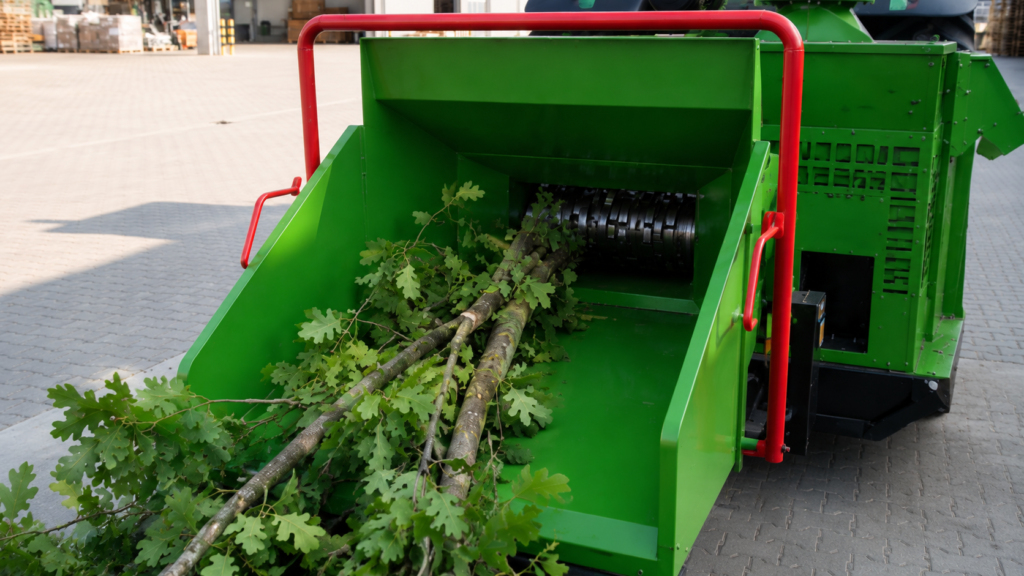
After 22 years in wood recycling machinery, Tirox engineers have seen many autumn jobs fail for one reason: buyers judged horsepower, not material behavior. One landscaping contractor fed wet leaves into a branch-focused chipper. The hopper bridged, discharge blocked, and labor costs climbed. Later, a properly configured mobile diesel chipper, combined with leafy branches and better feeding practice, changed the result.
For commercial users, leaf shredding is not a yes-or-no question. Instead, it is a machine-matching decision. For more practical guidance, Tirox also explains related material limits in what not to put in a wood chipper.
What Happens When Leaves Enter an Industrial Wood Chipper?
Leaves enter easily. However, they do not feed like wood. When wet or compacted, they mat together and create expensive downtime.
When leaves enter an industrial wood chipper, they are cut, torn, and reduced in volume. Dry leaves process better, while wet leaves may feed unevenly, mat together, and increase clogging risk.
Material behavior matters more than brochure power
A commercial chipper is built around cutting force, infeed control, knife speed, and discharge flow. However, leaves are light, flexible, and low-density. As a result, they often lack the rigid structure that helps branches self-feed. A branch presses against the infeed roller and knife system. Loose leaves, by contrast, can float, bunch, or compact.
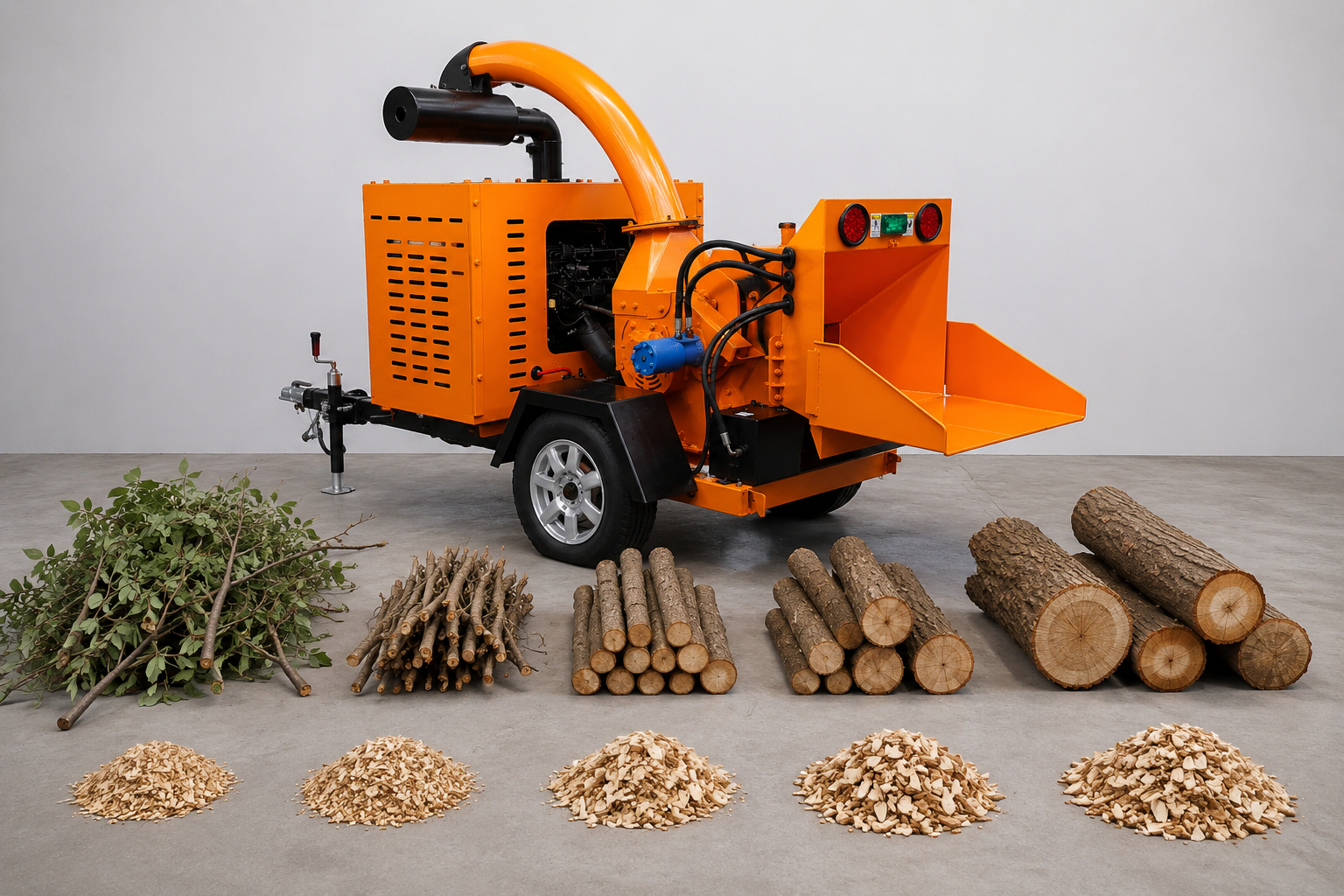
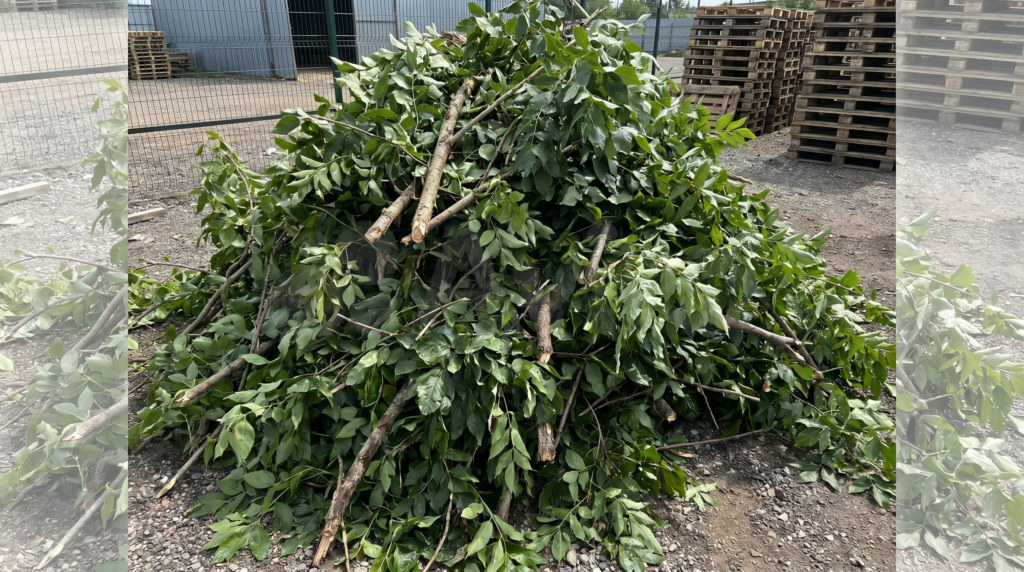
Therefore, the best results usually come from mixed material. Leaf-bearing branches add structure. Brush adds stiffness. Small limbs help pull leaves into the cutting chamber. In contrast, a pure pile of wet autumn leaves can form a mat, especially when soil, vines, grass, or plastic contamination is present.
| Material type | Feeding behavior | Clogging risk | Output quality | Recommended approach |
|---|---|---|---|---|
| Dry leaves | Light but manageable | Low to medium | Fine mulch-like material | Feed steadily with brush |
| Wet leaves | Sticky and compacting | High | Uneven, clumpy output | Mix with branches; avoid overloading |
| Leafy branches | Self-feeds better | Medium | Mulch and small chips | Ideal for many jobsite chippers |
| Brush | Irregular but structured | Medium | Coarse mulch | Use hydraulic feed control |
| Woody limbs | Strong self-feed | Low | Consistent chips | Match diameter to machine rating |
Moisture changes real capacity
Tirox technical selection rules treat leaf-heavy feedstock differently from clean, dry wood. Wet branches, tangled vines, high-moisture softwood, and leafy mixed material can reduce real capacity by roughly 15%–35% compared with clean, dry, regular feedstock. Consequently, a machine rated well on paper may disappoint in a wet municipal cleanup site.
Finished material can still create value. Depending on particle size and contamination, shredded leaves and wood can become mulch, compost feedstock, soil cover, erosion-control material, or biomass preparation input. External recycling references also support the reuse value of wood chips and mulch for landscaping and erosion control, as explained by Caterpillar Rental.
Is a Wood Chipper, Chipper-Shredder, or Hammer Grinder Better for Commercial Leaf Waste?
Choosing wrong wastes fuel, time, and knives. Therefore, buyers must separate branch chipping from loose leaf shredding before signing a purchase order.
A wood chipper is best for leaves mixed with branches and brush. A chipper-shredder or hammer grinder is usually better for loose, leaf-heavy waste, compost preparation, and continuous volume reduction.

Start with the mobile diesel chipper, then verify the final fit
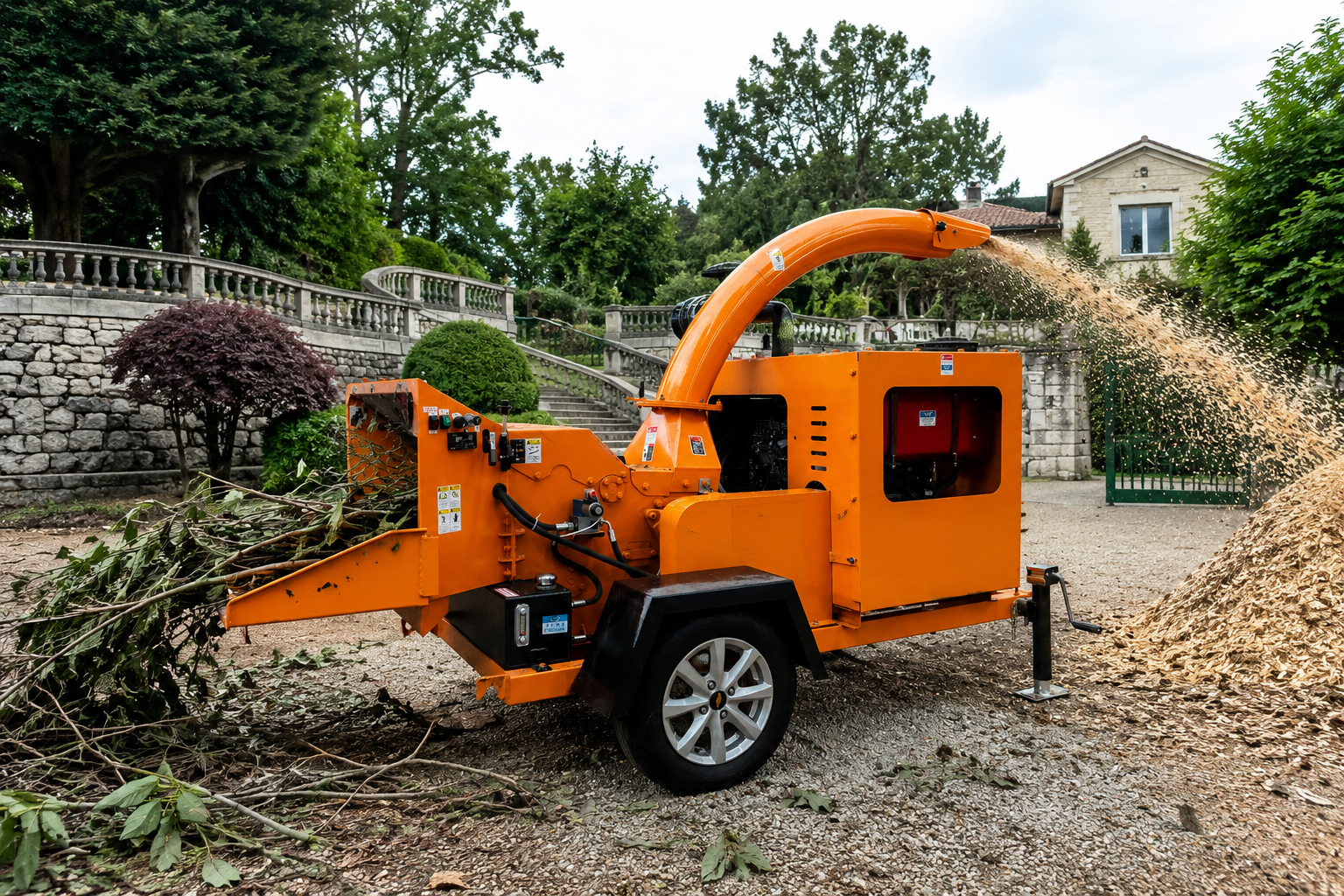
For landscaping firms, arborists, municipal cleanup teams, and mixed branch-and-leaf jobs, Tirox normally evaluates the mobile diesel wood chipper first. It is practical outdoors, easy to move between sites, and well suited to general garden branch waste. Moreover, it often gives the best balance between purchase cost, transport flexibility, and daily cleanup value.
However, final selection must remain objective. If the customer needs leaf-only shredding for composting, a knife-only chipper may not be the best landing choice. A chipper-shredder or hammer-style grinder tears and beats material more aggressively. As a result, it can reduce loose leaves more evenly and resist some feeding problems better.
| Machine type | Ideal feedstock | Mobility | Output size | Clog resistance | Best B2B use case |
|---|---|---|---|---|---|
| Mobile diesel chipper | Branches, leafy brush | High | Coarse chips/mulch | Medium | Arborist, landscape, municipal cleanup |
| Chipper-shredder | Leaves, twigs, small brush | Medium | Finer mulch | Medium-high | Compost and yard waste |
| Hammer wood grinder | Leaves, bark, soft wood waste | Low-medium | Adjustable fine output | High | Compost, biomass prep |
| Disc chipper | Logs, limbs, clean wood | Low-medium | Uniform chips | Medium | Biomass chips, wood yards |
| Drum chipper | Larger wood, steady feed | Low | Consistent chips | Medium | Industrial chip production |
| Horizontal grinder | Pallets, mixed wood, bulky waste | Low | Variable | High | Recycling yards, continuous lines |
Match the machine to the production model
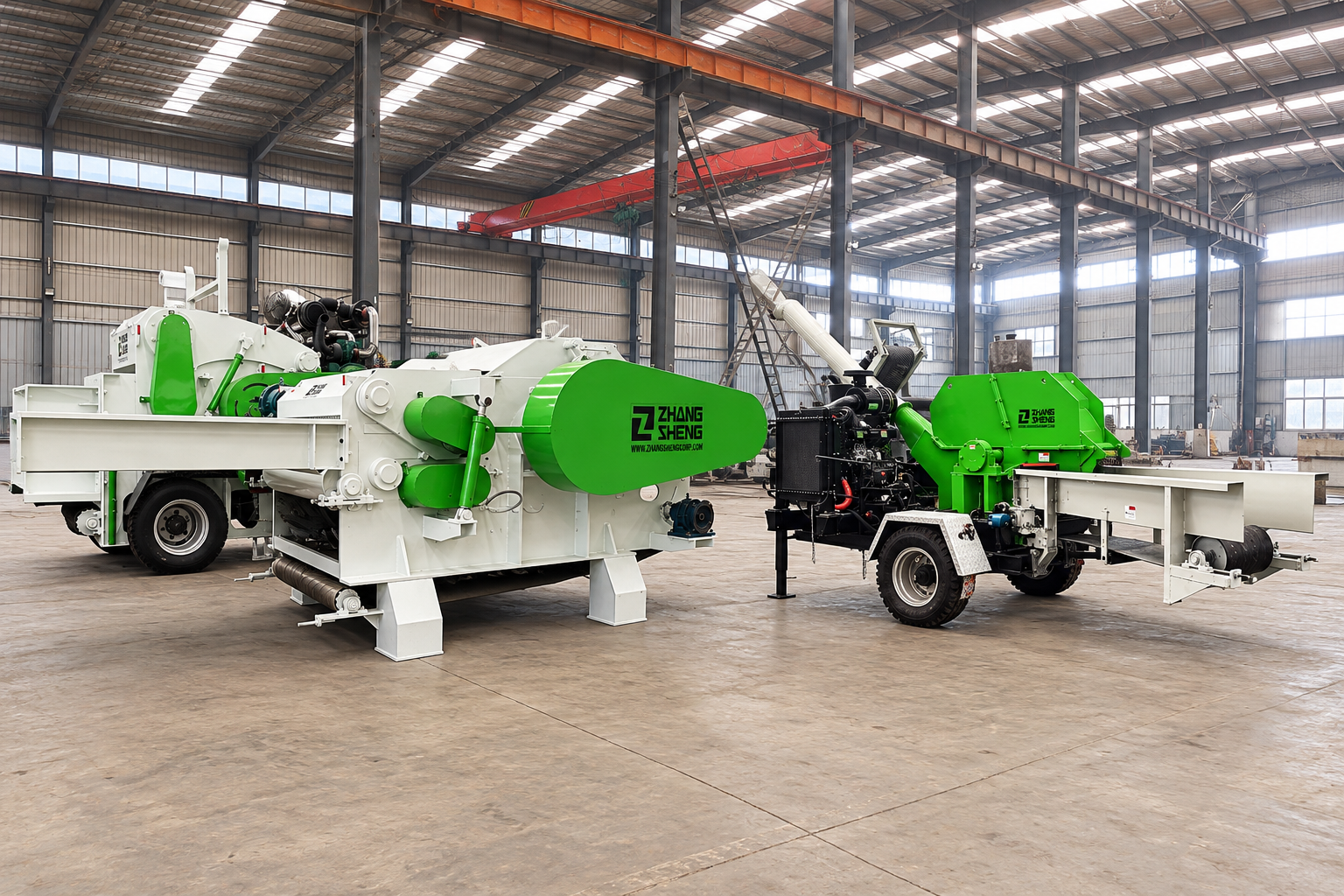
Disc and drum chippers are strong choices for logs, branches, and biomass feedstock because they make more consistent wood chips. Nevertheless, they are not always the best choice for loose leaf piles. Horizontal grinders and comprehensive crushers fit high-volume recycling yards, pallets, demolition wood, and continuous industrial lines.
In B2B purchasing, the decision should rest on six factors: raw material properties, finished product standard, required capacity, power conditions, site operation model, and whether work is mobile jobsite cleanup or fixed-line production. For broader equipment selection ideas, the Tirox wood recycling equipment blog gives useful buyer context.
Also, according to general definitions of a wood chipper, these machines reduce wood into smaller chips. That core function explains why leafy branches perform better than loose leaves: wood gives the knives something solid to bite.
How Should Commercial Buyers Specify a Leaf-Capable Industrial Chipper for ROI?
Bad specifications create bad ROI. Besides, oversized horsepower cannot fix wet leaves, weak feeding, or a discharge system that cannot clear material.
Commercial buyers should define feedstock mix, moisture, target output, capacity, mobility, and downstream use. ROI improves when the machine matches real material instead of brochure capacity or consumer-style leaf shredder assumptions.
Specify the real waste stream first
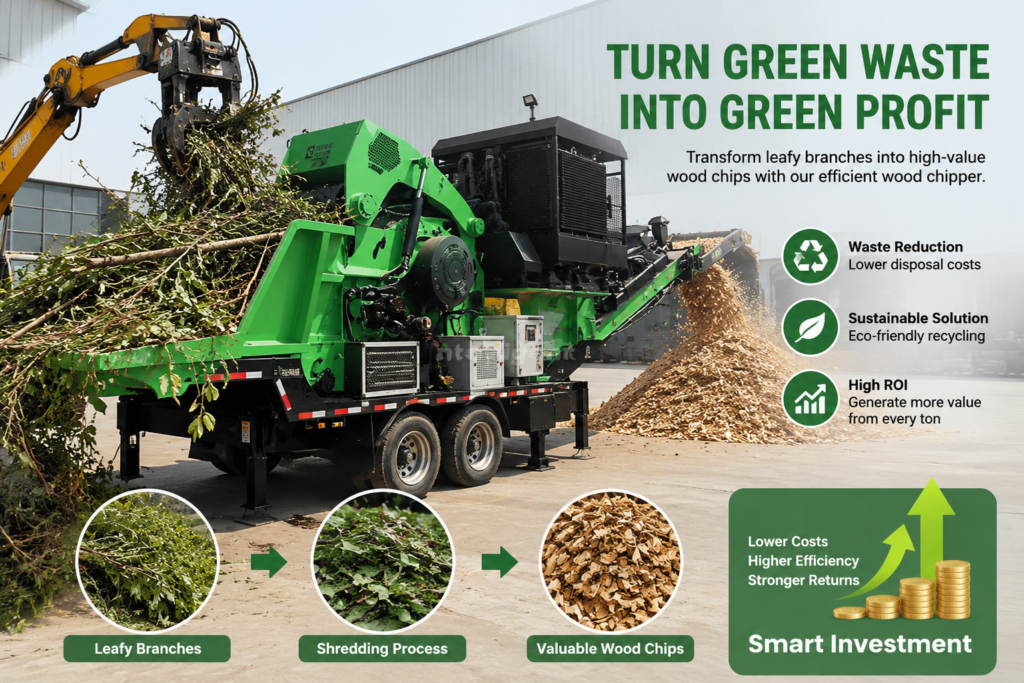
Before choosing an industrial wood chipper, buyers should provide photos or videos of actual material. The sample should show loose leaf percentage, branch diameter, wet debris, vines, soil, stones, and any mixed waste. This step prevents unrealistic capacity expectations.
A Tirox factory test once compared leafy branches, wet brush, and clean wood on the same model. Clean wood fed smoothly and produced stable output. Leafy branches worked well after feed-rate adjustment. Wet brush, however, reduced throughput and required more discharge attention. Consequently, the buyer avoided overpromising daily capacity to a municipal client.
| Specification item | Why it affects ROI | Buyer action |
|---|---|---|
| Hopper size | Controls bulky leaf loading | Choose wide, safe, jobsite-friendly feeding |
| Infeed rollers | Improves grip on brush and branches | Prefer hydraulic control for mixed material |
| Knife durability | Affects chip quality and maintenance cost | Confirm steel grade and access |
| Discharge method | Prevents wet material backup | Check chute airflow and angle |
| Engine power | Supports cutting load | Do not use power as the only metric |
| Mobility | Reduces hauling and setup labor | Match trailer, tires, and road rules |
| Safety systems | Protects operators | Verify emergency stop and guarding |
| Maintenance access | Cuts downtime | Check knife, belt, and bearing access |
ROI comes from avoided hauling and usable output
Leaves and wood debris often cost money twice: first for collection, then for hauling or landfill disposal. However, the right chipper can turn that waste into mulch, compost feedstock, biomass material, or cleaner site output. Therefore, the business case should include disposal savings, labor reduction, machine uptime, and resale or reuse value.
Still, brochure capacity should be derated for leaf-heavy material. Bulk density and feeding consistency drive real productivity. If wet leaves occupy a large hopper volume but contain little mass, hourly tons may look weak even when the machine runs correctly. Likewise, vines and soil contamination increase wear.
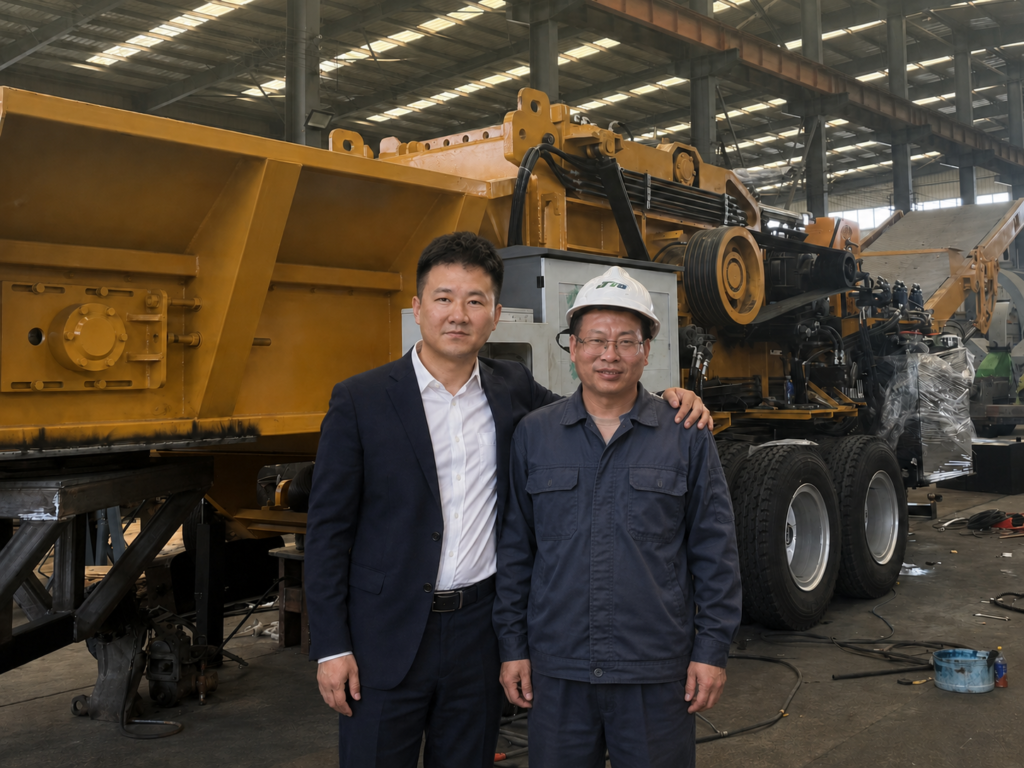
Tirox supports B2B buyers with 22 years of machinery experience, over 12 years of international export focus, and a broad range covering mobile chippers, disc chippers, drum chippers, hammer grinders, horizontal grinders, and recycling production lines. In addition, the company provides customization, CE/ISO-related quality systems, spare parts support, and practical machine matching for international forestry, biomass, recycling, and municipal users.
For buyers comparing mulch production options, Tirox also covers whether a chipper can create mulch in this wood chipper mulch guide.
Conclusion
Industrial chippers can shred leaves commercially, especially with woody material mixed in. However, moisture, density, feeding, discharge, and final use decide ROI. For reliable results, specify real feedstock first, then match the machine—not just horsepower—to the job.